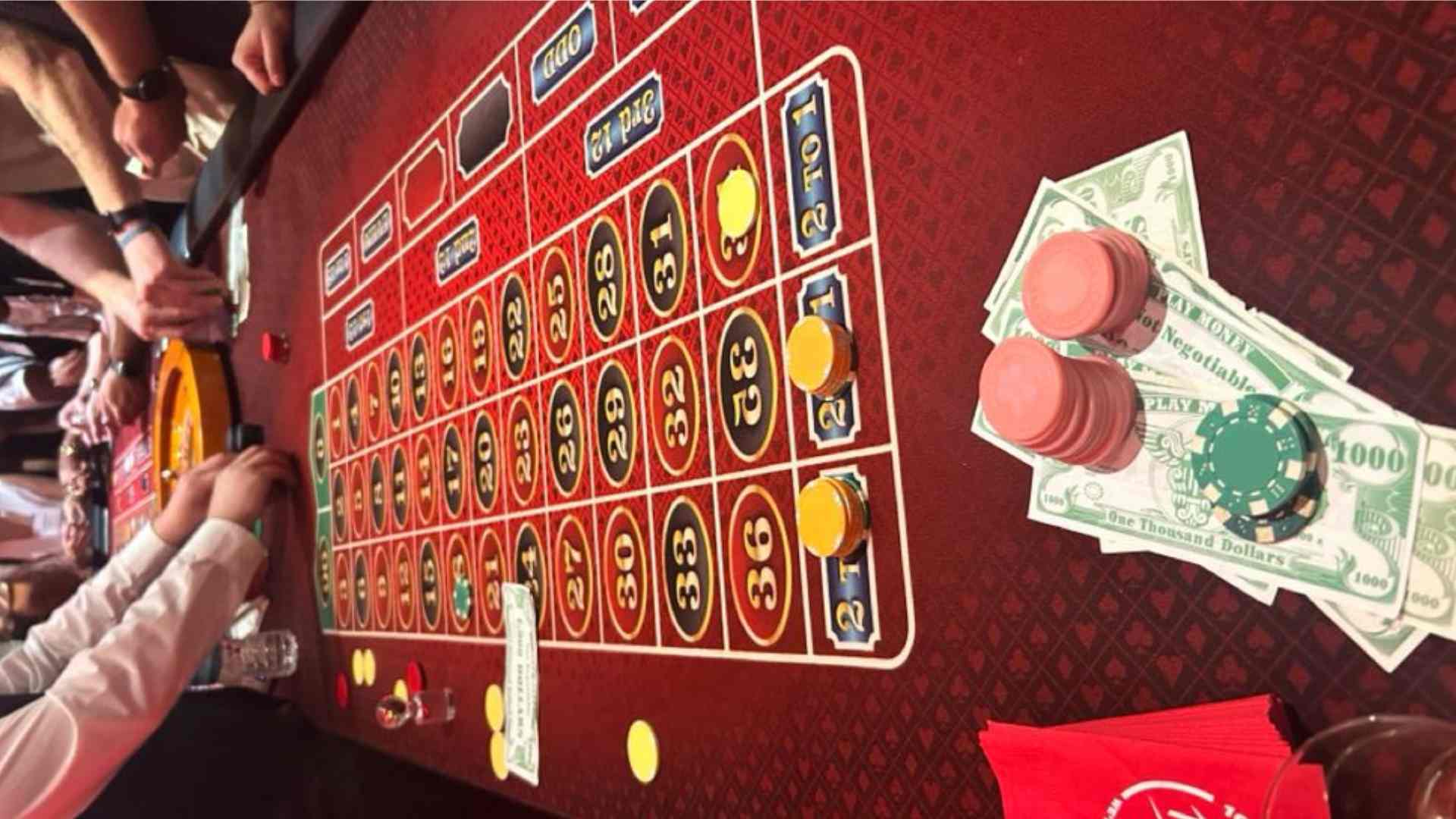
Finding the perfect tabletop experience that captures the attention of multiple generations can completely transform your weekly routine. While many forms of entertainment offer a disposable experience that loses its charm after a few sessions, certain designs manage to provide sustainable engagement for months or even years. Investing in games that feature highly dynamic systems ensures that your household always has a fresh and exciting activity ready for any social gathering.
The Dynamic Power of Modular Board Generation
One of the most effective ways modern game designers achieve longevity is through the implementation of shifting environments. Instead of featuring a static map that remains identical every time you open the box, these titles utilize separate tiles or cards to construct a unique playing field for every match. This layout variability forces participants to abandon repetitive strategies and constantly discover new tactical paths to victory.
Furthermore, procedural setups keep the competitive balance completely fair for both parents and children alike. Since no single individual can memorize the ideal route or dominant positions, every match begins with an equal opportunity for discovery. This reliance on fresh terrain layout naturally stimulates critical thinking and long-term analytical planning across all age groups.
Embracing Asymmetric Player Powers and Unique Roles
Another brilliant design philosophy that maximizes engagement involves giving each participant a completely distinct set of abilities or rules. When family members control unique characters with specialized strengths and specific mechanical flaws, the entire dynamic of the game changes based on who is playing what role. This structural diversity encourages players to rotate through different options to see the digital or physical environment from a completely new perspective.
For those looking to explore different forms of entertainment that keep things lively, checking out diverse platforms like M88 toto can offer an interesting parallel in structural variety. However, within physical tabletop systems, asymmetric design remains unmatched for building deep personal interactions and cooperative dialogue. Trying out different strategic viewpoints helps younger players cultivate empathy and view complex challenges from multiple angles.
Balancing Random Elements with Strategic Decision Making
The ultimate longevity of any home library relies heavily on finding the ideal middle ground between calculated skill and unexpected chance. Games that rely solely on rolling dice to move can become tedious, while heavily complex strategy titles might alienate younger participants who feel overwhelmed by rules. The most resilient creations mitigate luck by giving players multiple meaningful choices on how to spend or manipulate their random resources.
This careful integration ensures that unexpected events feel like exciting opportunities rather than frustrating setbacks that ruin long-term plans. Adapting your personal tactics to unexpected card draws or dice rolls teaches valuable real-world problem-solving skills in a low-stakes environment. Ultimately, these balanced mechanics guarantee that every single game night ends with shared laughter, memorable stories, and an eager desire to set up the board once more.