The cultural journey of classic table games reveals how regional entertainment customs gradually transformed into global leisure staples over several centuries. Long before digital networks simplified gaming protocols, physical gaming setups required high levels of personal coordination and mutual trust among participants. Investigating these old behavioral traditions provides modern players with a clearer window into the sophisticated origins of modern strategic card play.
The Architectural Origins of Specialized Salons
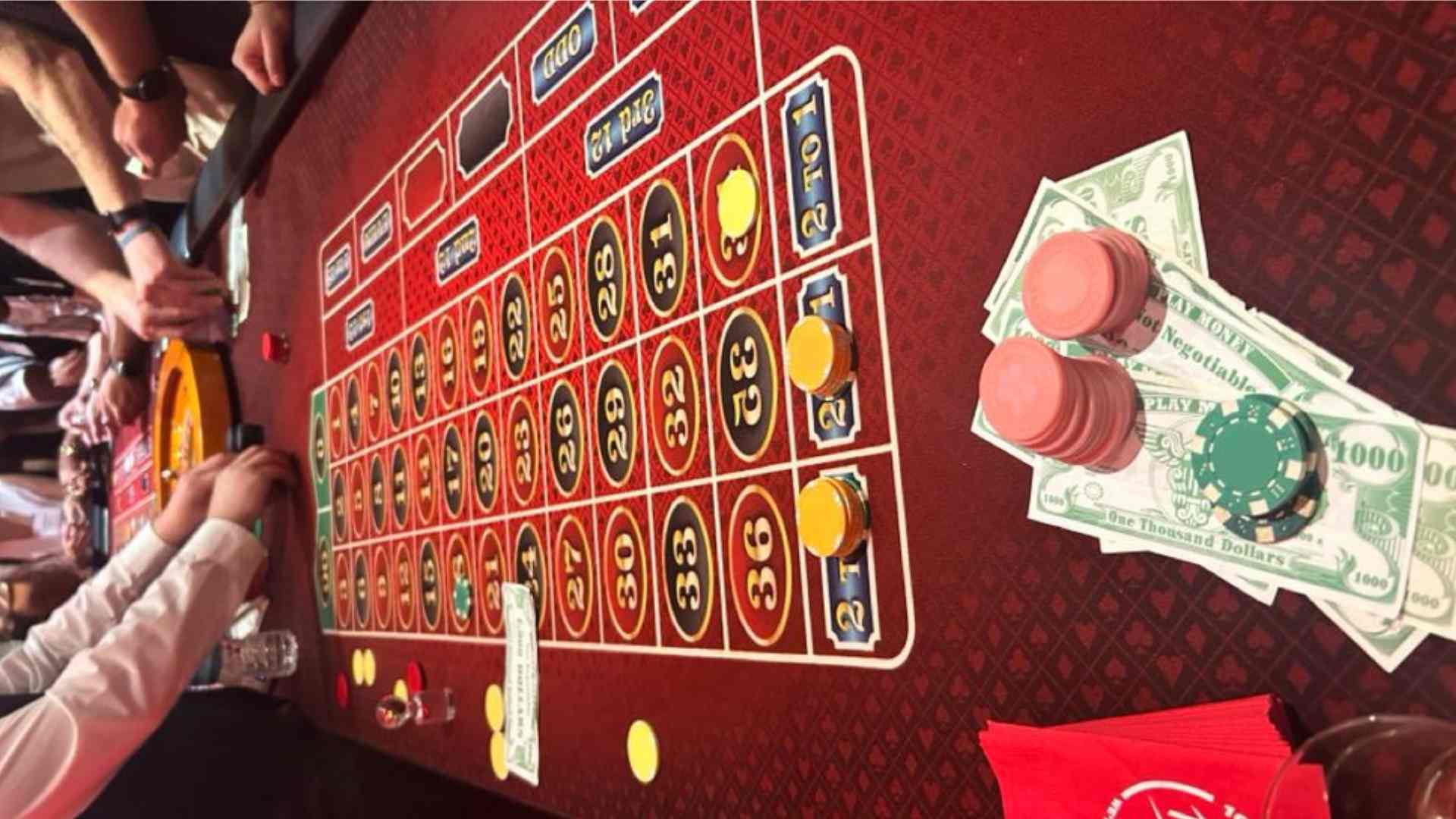
In early European wagering circles, prominent card games were not simply casual activities played in crowded open spaces. Instead, elite gaming societies created dedicated alcoves and private rooms specifically to foster deep concentration and refine standard player manners. This deliberate spatial isolation elevated ordinary table pastimes into exclusive community rituals reserved for analytical thinkers.
Furthermore, the physical structure of these historic tables determined the exact sequence of legal actions and visibility during a live round. Participants seated closer to the primary dealer had to commit to strategies with minimal information about their opponents' intentions. This natural asymmetry of data rewarded individuals who possessed strong emotional control and sharp observation skills.
Shifting Rules Across Diverse Cultural Borders
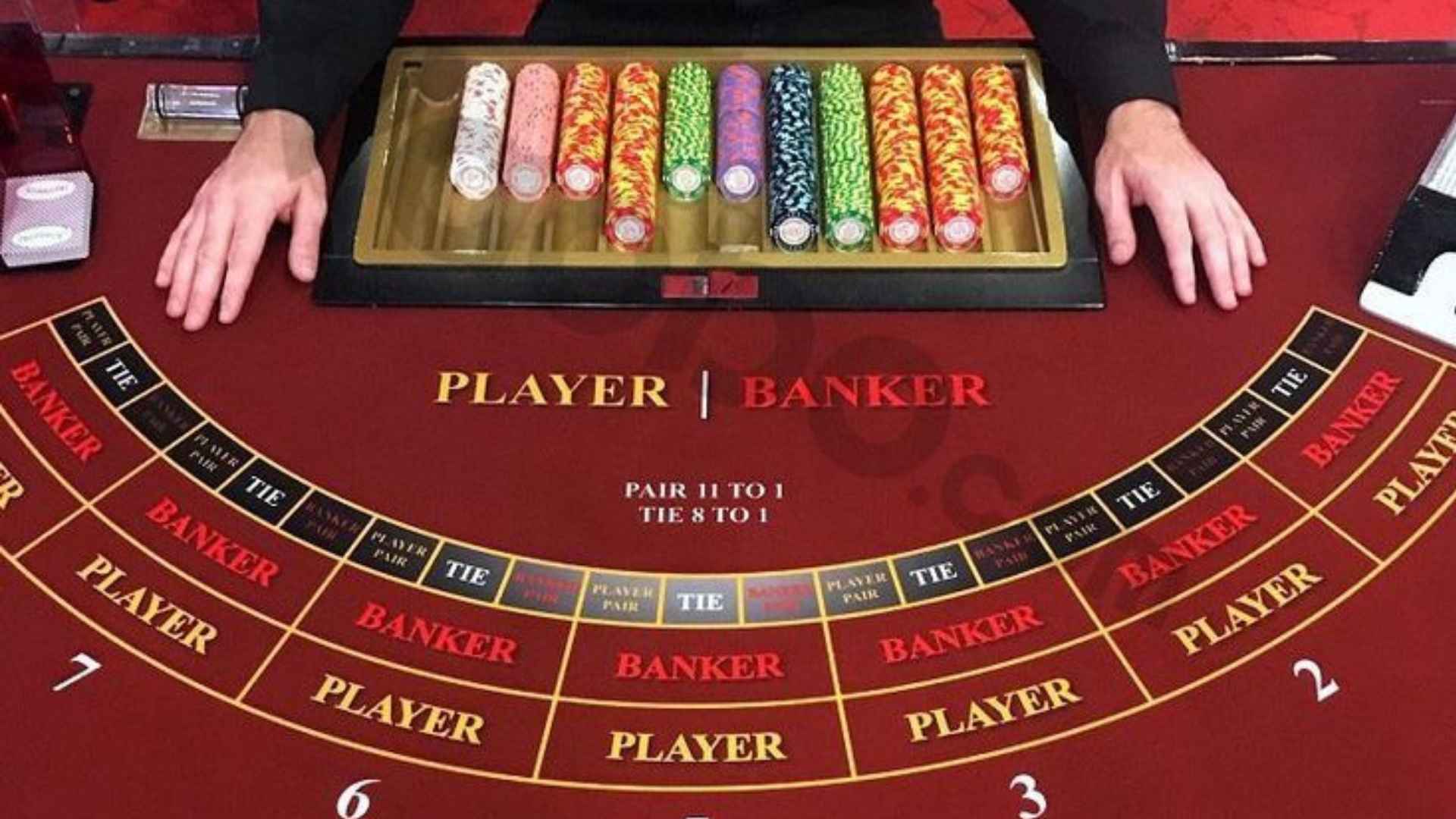
As traditional card variations traveled through different cultural regions, local communities modified the core mechanics to suit their own social preferences. French gaming houses in the nineteenth century heavily prioritized deep player interaction by decentralizing the financial responsibilities of the table. This flexible structural design allowed multiple players to take turns holding the bank or making drawing decisions rather than relying on a corporate institution.
Over time, these highly interactive European setups evolved into the streamlined, rapid formats favored by modern entertainment venues. Enthusiasts who appreciate the balance between historical game mechanics and contemporary convenience can explore modern platforms offering incentives like a 体育奖金 m88 to engage with classic formats. This ongoing digital transition helps keep ancient card traditions alive while ensuring total computational accuracy during fast-paced play.
The Intellectual Legacy of Manual Calculation Systems
Before modern computing systems automatically displayed hand values on electronic screens, players relied entirely on mental math to follow table dynamics. Traditional card games often implemented unique reduction systems where the tens digit of any cumulative score was dropped entirely. This mathematical structure kept the tension high because a single arithmetic oversight could misrepresent the absolute strength of a participant's hand.
Relying on manual calculation also built a stronger psychological bond between the dealer and the surrounding players. Every physical shuffle and manual deal functioned as a real-time display of operational integrity that protected the game flow. This emphasis on manual dexterity created an unmistakable atmosphere of authenticity that standardized software algorithms find difficult to replicate fully.
A Broader Perspective on Classic Table Traditions
Analyzing the long-term history of strategic table games reminds us that these activities were originally designed around shared vulnerability and collective risk. Modern players often focus exclusively on rapid individual outcomes, overlooking the deep communal structures that defined early gaming houses. Understanding how older rules distributed operational power helps modern enthusiasts enjoy a much richer perspective on contemporary casino culture.